
Welcome to our homeschooling blog, packed with product picks and playful activities for toddlers through elementary schoolers!
In this first post, we’re diving into agricultural projects that make learning about farms, gardens, and food fun. From kid-friendly gardening tools to hands-on activities like planting seeds or raising butterflies, these ideas and recommendations will inspire curiosity and growth in your little learners.
ACTIVITY ONE
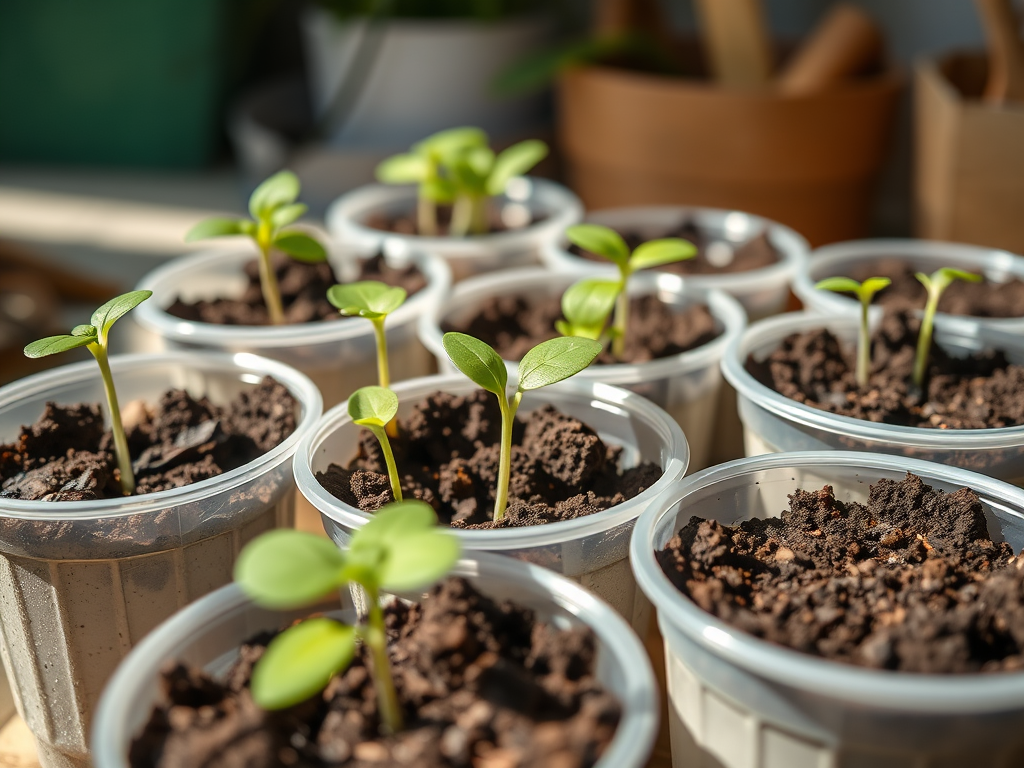
SEED PLANTING & GROWTH TRACKING
This activity is hands-on, educational, and fun!
Perfect for elementary-age (and younger) kids to explore plant science.
Kids will observe the plant life cycle firsthand, understand germination and photosynthesis, and practice scientific skills (measuring, predicting, recording).
SUPPLIES
- Journal or Notebook (for recording observations)
- Colored Pencils or Markers (for drawings and labeling)
- Bush Bean or Sunflower Seeds (fast-growing; beans germinate in 3-7 days, sunflowers in 7-10 days)
- Wooden Craft Sticks (for labeling)
- Permanent Marker (for writing on sticks)
- Plastic Cups or Small pots (with drainage holes)
- Potting Soil (well-draining mix)
- Spoon (for scooping soil)
- Glue Stick (for attaching seed packet info in journal)
STEPS FOR THE ACTIVITY
- Prepare the pots.
- Fill small pots with potting soil using a spoon, leaving about 1 inch of space at the top.
- Label wooden craft sticks with the plant name and the child’s name using a permanent marker. Insert one stick per pot.
- Plant the Seeds.
- For bush beans: Plant 1-2 seeds per pot, about 1 inch deep.
- For sunflowers: Plant 1-2 seeds per pot, about 1/2 inch deep.
- Gently cover with soil and water lightly until the soil is moist but not soggy.
- Set Up for Growth:
- Place pots in a sunny spot (6-8 hours of sunlight daily for sunflowers; beans tolerate partial shade).
- Ensure the soil stays moist but not waterlogged. Younger children can help water the plants daily.
- Track growth in a Journal:
- Cut along the edges of the seed packet. This way you can glue the picture and the planting instructions into your journal for reference.
- Daily Observations: Have children check their plants daily. In their journal they should:
- Measure the plant height (once sprouted) using a ruler and record it.
- Note any changes (e.g. “A sprout appeared! or “Leaves are bigger!”)
- Make predictions (e.g. “I think it will grow 2 cm by tomorrow”)
- Drawings: Encourage kids to sketch the plant’s appearance each day using colored pencils or markers. Label parts like roots, stem, or leaves as they emerge.
- Younger Children: Littles can describe what they see (e.g. “It’s green!”) and draw simple pictures, with help from an adult to write their observations.
- Discuss the Plant Life Cycle:
- Explain the stages: seed, germination, seedling, mature plant, flowering, and seed production.
- Use an art activity or worksheet (see below) to reinforce these stages.
- Care and Observe:
- Continue watering and monitoring for 2-4 weeks. Beans may produce pods in 50-60 days, sunflowers may flower in 70-100 days, depending on the variety.


UNDERSTANDING SEED GERMINATION & PHOTOSYNTHESIS
Seed Germination
What It Is: The process where a seed begins to grow into a plant. It needs water, warmth, and sometimes light.
Stages:
- The see absorbs water and swells.
- The seed coat splits, ad a tiny root grows downward.
- A shoot grows upward, forming a seedling with leaves.
Journaling Idea: Draw a seed in the soil, then show stages (root, shoot, seedling) with arrows and more drawings.
Photosynthesis
What It Is: How plants make food using sunlight, carbon dioxide (from air), and and water (from soil). This allows them to produce both sugar and oxygen. Chlorophyll in the leaves captures sunlight.
Simple Explanation for Kids: “Plants use sunlight to water and air into food. It’s like a kitchen for plants that is powered by the sun!”
Journaling Idea: Draw a plant with arrows: sunlight hitting leaves, water coming from roots, and air entering leaves. Color the leaves green to represent chlorophyll. Label the inputs (sunlight, water, carbon dioxide) and outputs (sugar, oxygen).
TIPS FOR SUCCESS
- Engage Younger Kids: Let littles water plants and look for changes each day, describing colors or shapes they notice.
- Encourage Predictions: Ask kids, “How tall will it be tomorrow?” or “When will the first leaf appear?” Record predictions and compare with actual growth.
- Make It Fun: Turn journaling into a story (e.g. The Adventures of My Bean Plant”).
- Safety Note: Be sure to have kids wash hands after handling soil and avoid touching their faces.
- Timeline: Most sprouts appear in 3-10 days; measurable growth occurs within 2-3 weeks.
And thank you, I do receive commissions based on any purchases my readers make through links on this page.
 dovetailcontentdesign.com